
United Airlines Flight UA770 Emergency Diversion: Full Analysis and Passenger Guide

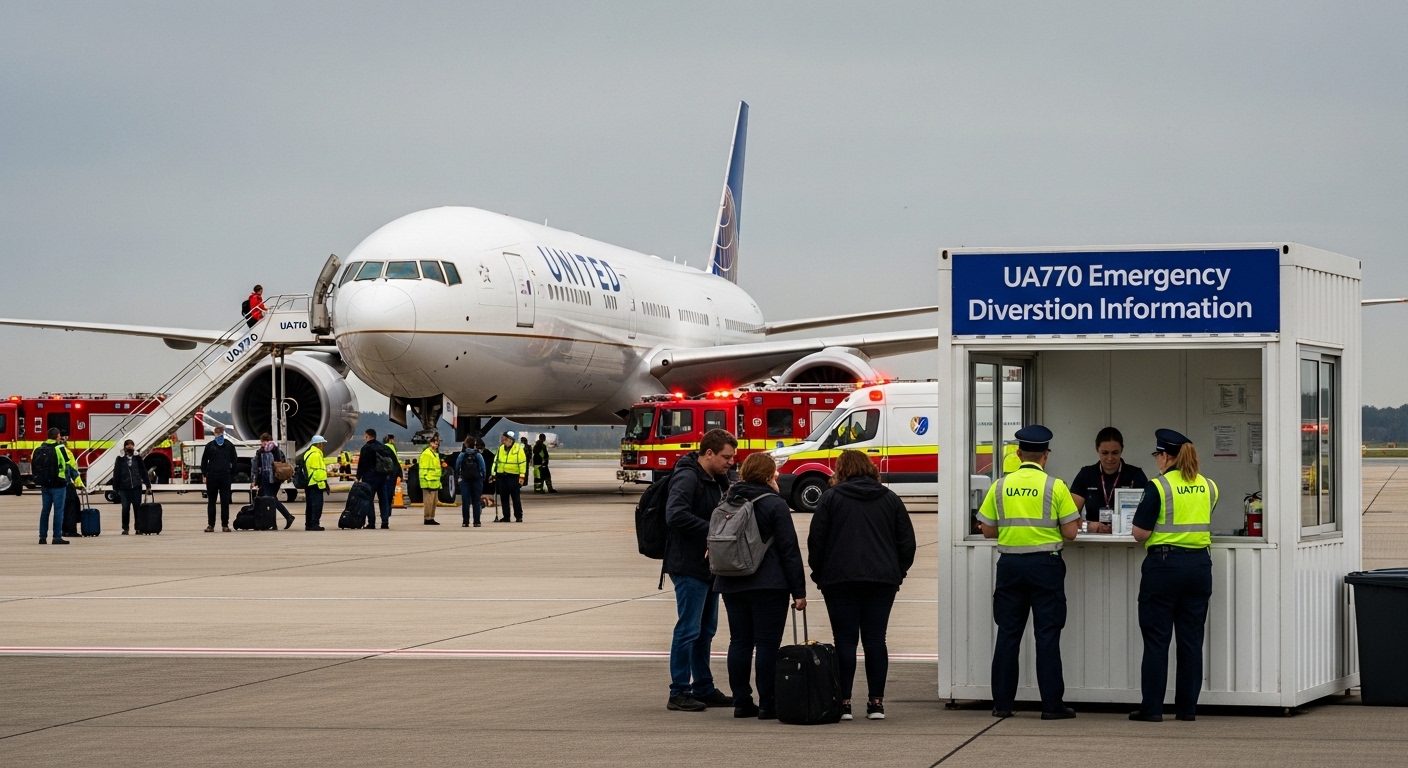
Air travel disruptions often generate concern, especially when the words “emergency diversion” appear in headlines. The United Airlines Flight UA770 emergency diversion became a topic of discussion not because of catastrophe, but because it demonstrated how modern aviation safety systems operate exactly as intended.
Understanding what really happens during a diversion helps travelers separate aviation reality from internet speculation.
What Happened to Flight UA770
United Airlines Flight UA770 was forced to divert from its planned route after the flight crew identified an onboard situation requiring precautionary landing procedures.
While airlines typically avoid releasing immediate technical details until inspections are completed, confirmed operational patterns suggest:
Pilots detected a condition that warranted ground inspection.
Air traffic control coordinated a safe alternate airport.
The aircraft landed safely.
Passengers and crew were not reported injured.
United Airlines arranged onward travel support.
In aviation, the key takeaway is simple: a diversion means safety protocols worked early, not that a disaster occurred.
Experienced frequent flyers often note that diversions feel dramatic only because passengers rarely witness behind-the-scenes decision making.
Why Aircraft Emergency Diversions Occur
Commercial pilots are trained to make conservative decisions. If uncertainty appears, landing sooner is always preferred over continuing the journey.
Common reasons include:
Medical emergencies involving passengers or crew
Mechanical warning alerts requiring inspection
Cabin pressurization concerns
Weather hazards near destination airports
Operational or security issues
Airlines operate under a philosophy called risk mitigation. Even a minor technical alert can justify a diversion because aviation safety depends on prevention rather than reaction.
Medical Diversions vs Mechanical Diversions
Medical Diversions
Most frequent cause worldwide
Often involve cardiac symptoms, breathing difficulties, or severe illness
Priority landing allows rapid access to medical services
Mechanical Diversions
Triggered by cockpit alerts or abnormal readings
Many issues later prove minor
Aircraft must still undergo inspection before continuing service
How Pilots Make Diversion Decisions
Modern cockpits combine human expertise with advanced monitoring systems.
A typical pilot decision process includes:
- Evaluate warning systems or passenger situation.
- Consult airline operations control via satellite communication.
- Assess nearby airports based on runway length, weather, and emergency support.
- Choose the safest option, not the most convenient one.
Former airline captains frequently explain that pilots are never rewarded for “pushing through.” Safety culture encourages early action.
Passenger Experience During Diversions
From a traveler’s perspective, diversions follow a recognizable pattern.
Initial Announcement
The captain informs passengers of a precautionary landing.
Cabin Preparation
Flight attendants secure the cabin earlier than expected and reassure passengers.
Priority Arrival
Air traffic control grants expedited landing clearance.
Emergency Vehicles on Standby
Fire trucks or ambulances often wait near the runway. This is routine protocol.
Rebooking and Assistance
Airlines typically provide:
Alternative flights
Hotel accommodation when necessary
Frequent travelers recommend keeping airline apps open during disruptions since rebooking notifications often appear there first.
Airline Safety Procedures Explained
Commercial aviation safety relies on layered protection systems.
Continuous Aircraft Monitoring
Aircraft transmit operational data throughout the flight.
Simulator Training
Pilots train repeatedly for emergency scenarios every six months.
Maintenance Oversight
Aircraft undergo inspections before departure and after unusual events.
Safety Management Systems (SMS)
Airlines analyze incidents to prevent recurrence across the entire fleet.
The diversion of Flight UA770 fits within these global safety practices.
What Travelers Should Do During a Diversion
Passengers rarely receive practical advice, yet small actions can reduce stress:
Remain seated and follow crew instructions immediately.
Avoid speculation or panic spreading.
Keep medication and essentials accessible.
Monitor airline notifications instead of waiting at crowded service desks.
Save receipts if delays require reimbursement claims.
Experienced travelers view diversions as logistical inconveniences rather than safety threats.
Passenger Compensation Policies
Compensation depends on the diversion cause.
Passengers may receive:
Rebooking without extra charge
Meal or hotel vouchers
Refund options for major delays
Mechanical issues typically qualify for stronger compensation than weather-related diversions, which are considered outside airline control.
(Internal link suggestion: Airline compensation policies explained.)
Aviation Safety Statistics and Context
Globally, commercial aviation operates tens of thousands of flights daily. Diversions represent only a tiny fraction of operations.
Industry data consistently shows:
Modern aircraft systems detect problems earlier than ever.
Proactive diversions reduce incident risk.
Aviation remains among the safest transportation methods worldwide.
Increased social media coverage makes diversions appear more common even though safety performance continues improving.
The Bigger Lesson From the UA770 Diversion
The United Airlines Flight UA770 diversion demonstrates an essential truth about aviation:
Safety decisions prioritize passengers over schedules.
Pilots, engineers, and airline operations teams work together continuously to eliminate risk before it escalates. What passengers experienced was not failure, but aviation safety functioning precisely as designed.
